






Whether organising a bustling music festival, a sporting event, or a large-scale public gathering, keeping attendees safe is an absolute priority. Safety barriers are one of the most reliable tools available to event organisers, offering a physical means of managing crowds, directing movement, and preventing the kind of accidents that can turn a joyful occasion into a tragedy. Understanding why these structures matter (and how to deploy them effectively) is essential for anyone responsible for public safety.
In short
- Safety barriers are essential for managing crowd movement and preventing accidents by establishing clear pedestrian routes and reducing bottlenecks.
- Physical barriers provide a necessary separation between pedestrian walkways and vehicle access routes to minimize the risk of collisions.
- Strategic placement of barriers around stage fronts and entry points is a critical measure to prevent dangerous crowd surges, crushes, and stampedes.
- Event organizers should perform thorough risk assessments to identify pinch points and determine the most effective configuration for temporary fencing.
- Selecting the appropriate barrier depends on the venue type, with outdoor events often requiring robust guardrails and indoor settings benefiting from lighter, flexible systems.
- Impact protection barriers and bollards serve as vital safety layers in areas where vehicle movement is necessary, absorbing energy to protect infrastructure and attendees.
- Well-installed barriers create a safer working environment for staff and security personnel by clearly delineating operational zones from public gathering spaces.
The Role of Safety Barriers in Managing Crowds at Events
How Physical Barriers Help Control the Flow of Attendees
At any large gathering, the sheer volume of people moving through a space presents significant logistical challenges. Pedestrian safety barriers serve as a practical solution, defining clear routes and guiding attendees through venues in an orderly fashion. By establishing boundaries, they reduce confusion and help prevent bottlenecks from forming in high-traffic areas. The psychological effect of a visible barrier is also worth noting, people naturally adjust their behaviour when boundaries are clearly marked, moving more cautiously and predictably.
Beyond directing foot traffic, barriers play a vital role in traffic segregation, separating pedestrian walkways from any vehicle access routes that may exist within or adjacent to an event site. This separation is particularly important at outdoor festivals or venues where staff vehicles, emergency services, or supply lorries may need access. Keeping these flows entirely distinct dramatically reduces the risk of vehicle collision with event-goers.
Reducing the Risk of Crushes and Stampedes Through Strategic Placement
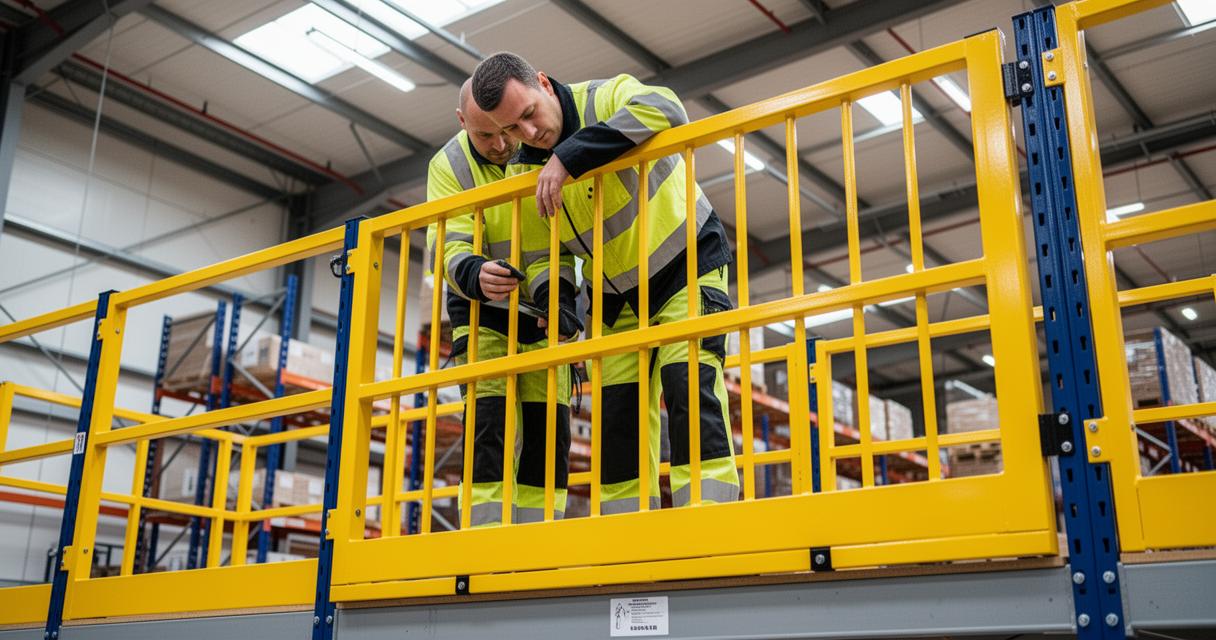
Crushes and stampedes remain among the most serious hazards at densely attended events. Strategic placement of barriers (particularly around stage fronts, entry and exit points, and crossing zones) helps prevent dangerous surges from building up. Recommended installation locations include high-traffic areas and around door openings that lead to traffic lanes, ensuring that at no point does a crowd become unmanageably dense in a single space.
A thorough risk assessment prior to the event is indispensable. Identifying pinch points, assessing likely crowd behaviour, and planning escape routes are all steps that inform where barriers should be positioned. Temporary safety fencing can be deployed rapidly and adjusted as conditions change throughout an event, offering flexibility without compromising on hazard prevention.
Choosing the Right Safety Barriers for Different Event Types
Key Factors to Consider When Selecting Barriers for Outdoor and Indoor Venues
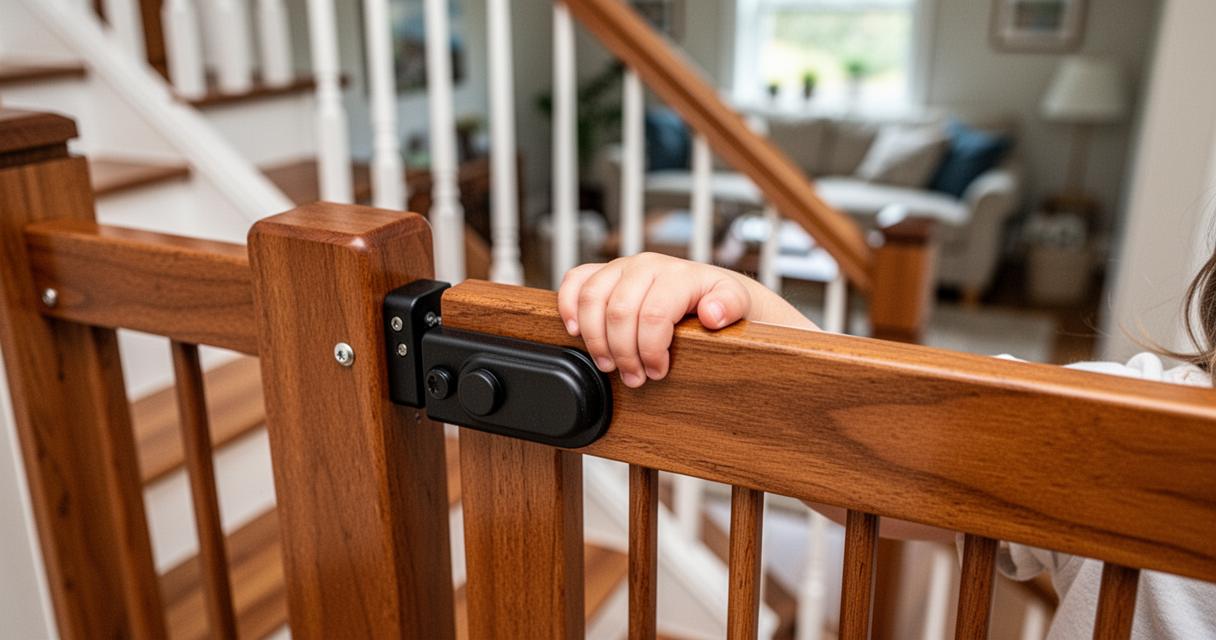
Not all events are alike, and neither are the barriers suited to them. Outdoor venues may require concrete safety barriers or robust guardrail systems capable of withstanding variable weather conditions and potential vehicle impacts, while indoor settings might benefit from lighter temporary safety fencing that can be configured to suit a specific floor plan. When selecting the right solution, it is important to consider the purpose of each barrier, the durability of its materials, ease of installation, and compliance with relevant safety standards.
For events that involve any vehicle movement (from staff logistics to emergency access) impact protection barriers and safety bollards provide an additional layer of defence, safeguarding both attendees and infrastructure from accidental collisions. These industrial safety solutions are designed to absorb impact energy, reducing the severity of any incident should one occur.
How properly installed barriers protect both attendees and staff
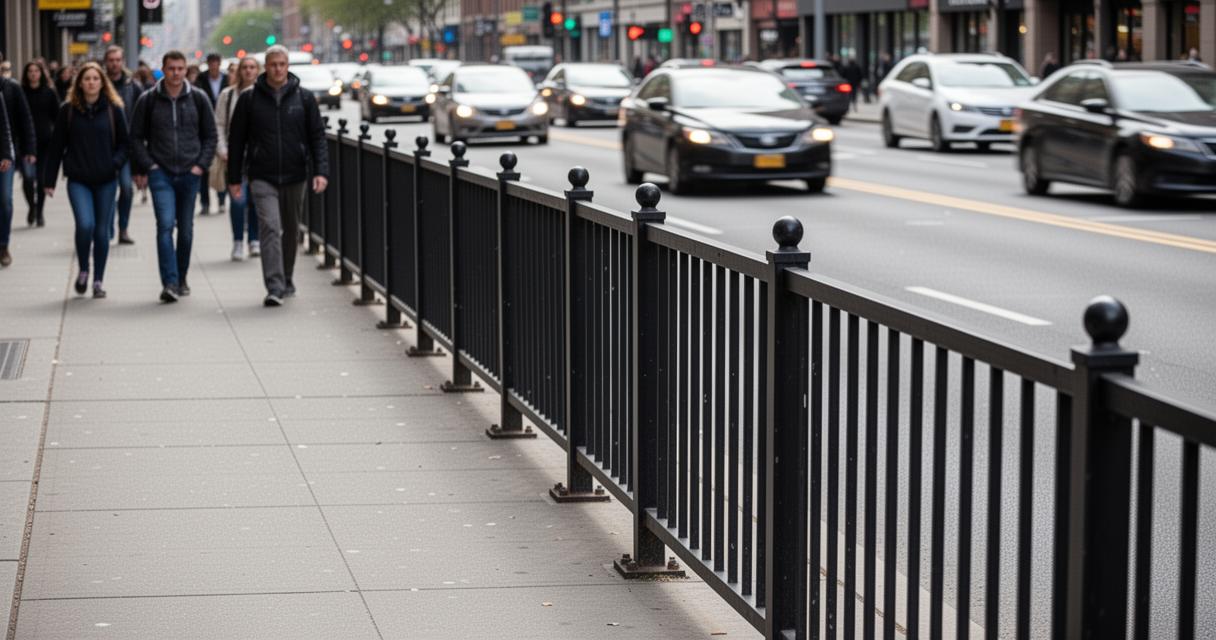
The benefits of well-installed barriers extend beyond the general public, event staff and security personnel also operate in environments where workplace traffic management is critical. By clearly delineating operational zones from public areas, barriers help ensure that staff can carry out their duties without unnecessary exposure to crowd-related risks. This separation supports a safer working environment and allows security teams to respond more effectively to any emerging situations.
Ultimately, investing in the right guardrail systems and barrier solutions is not merely a regulatory obligation but a genuine commitment to the wellbeing of everyone present. Proper planning, combined with the deployment of appropriate road safety barriers and pedestrian controls, creates an environment where events can be enjoyed with confidence, by attendees and organisers alike.